Not guilty, paid dearly, but not good enough for SJWs
Introduction
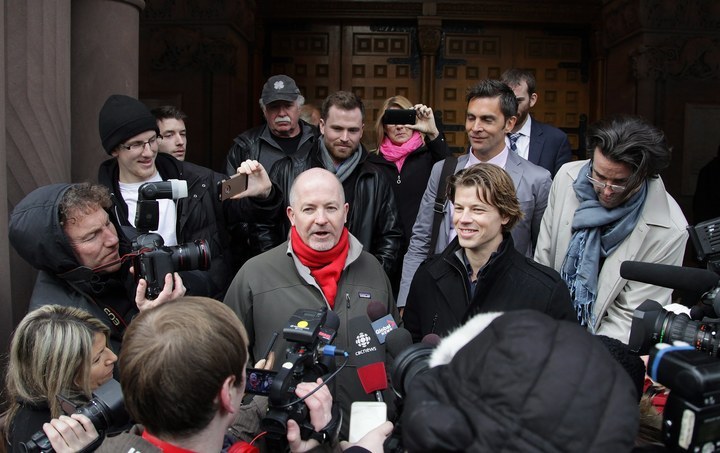
January 22nd marked the end of a nightmare for Gregory Alan Elliott when Judge Brent Knazan ruled he was not guilty of criminal harassment over Twitter. Elliott was arrested after a prolonged two-way disagreement with three politically connected social justice warriors. This is the second known harassment case over Twitter, the first involved threats made to Conservative MP Michelle Rempel.
Elliott’s ordeal is a tragic example how the impact of being accused of a crime is punishment in and of itself. The arrest cost Elliott his job, his life savings, and over three years living in limbo and banned from the Internet. The maximum penalty he faced was six months in jail but he’d probably had got less time if any. A careless mistake in the court’s final ruling falsely accused Elliott of making an ugly homophobic tweet- the error was reported in newspapers on three continents.
Most of the stories published in mainstream and online media had some sort of balance. Left-leaning journalists were more likely to report on the homophobic tweet (few have made corrections), right-leaning journalists were more likely to focus on freedom of speech issues. That said, three of the stories about Elliott’s acquittal were blatantly manipulative- and they all had one thing in common, they were written by friends of the complainants.